
kW to kVA Calculator for Generator & UPS Sizing
This kW to kVA calculator converts real power in kilowatts to apparent power in kilovolt-amps. Enter the kW and the power factor, then read the kVA, since apparent power is real power divided by the power factor. Use it to size a generator, transformer, or UPS in kVA from a known kW load. The formula is the same for single-phase and three-phase.
How to Convert kW to kVA
To convert kW to kVA, divide the real power in kilowatts by the power factor. Apparent power in kilovolt-amps equals real power in kilowatts divided by power factor, so kVA = kW ÷ PF. The same formula works for single-phase and three-phase, because the phase is already accounted for in the power figures.
kW is the real power a load actually uses; kVA is the total, or apparent, power the source must supply to deliver it. Because the power factor is never more than 1, the kVA is always at least as large as the kW. This is the conversion you use to size a generator, transformer, or UPS from a known kW load, since that equipment is rated in kVA. To go the other way, the kVA to kW calculator multiplies by the power factor and explains the kW-versus-kVA difference in full.
kW to kVA Formula
- kVA = apparent power in kilovolt-amps
- kW = real power in kilowatts
- PF = power factor, 0 to 1 (the ratio of real to apparent power)
Example: an 80 kW load at 0.8 power factor needs 80 ÷ 0.8 = 100 kVA of apparent power.
There is no voltage, phase, or three-phase factor in this conversion. Those all sit inside the power figures already, so a three-phase kW converts to kVA exactly the same way a single-phase kW does: divide by the power factor. A power factor of 1 (a purely resistive load) makes kVA equal to kW; any lower power factor makes the kVA larger.
How to Use the kW to kVA Calculator
- Enter the real power in kW. This is the working load, or the kW rating on an equipment nameplate.
- Enter the power factor. Use the load's actual value if you know it, 0.8 for a typical generator or motor load, or 1 for a purely resistive load like a heater.
- Read the apparent power in kVA. That is the minimum kVA the transformer, generator, or UPS must be rated for.
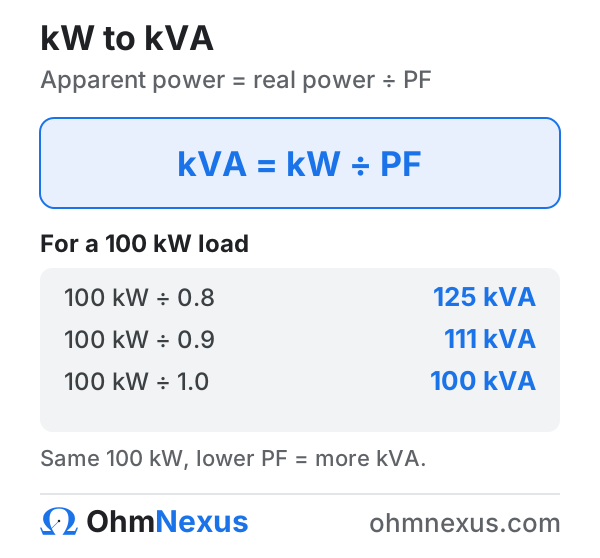
kW to kVA Worked Examples
Example 1: Sizing a Generator for an 80 kW Load
A building has an 80 kW standby load, and generator sets are rated at a 0.8 power factor:
kVA = 80 ÷ 0.8 = 100 kVA
So an 80 kW load needs a 100 kVA generator. In practice you would round up to the next standard size and add margin for motor starting and future growth.
Example 2: 40 kW Load at 0.8 Power Factor
A 40 kW load at a 0.8 power factor requires:
kVA = 40 ÷ 0.8 = 50 kVA
A 50 kVA transformer or generator covers this load exactly at 0.8 power factor.
Example 3: 100 kW Data-Center Load at 0.9 Power Factor
A 100 kW IT load running at a 0.9 power factor needs:
kVA = 100 ÷ 0.9 = 111.1 kVA
The better power factor keeps the required kVA lower than it would be at 0.8, where the same 100 kW would need 125 kVA.
Example 4: 10 kW Resistive Load (Power Factor 1.0)
A purely resistive load, such as an electric heater bank, runs at a power factor of 1:
kVA = 10 ÷ 1.0 = 10 kVA
Here kVA and kW are equal, because there is no reactive power to supply.
kW to kVA Conversion Chart
This chart shows the apparent power in kVA that common kW loads require at three power factors. The required kVA falls as the power factor improves, and equals the kW only at a power factor of 1.
| Real Power | kVA at PF 0.8 | kVA at PF 0.9 | kVA at PF 1.0 |
|---|---|---|---|
| 1 kW | 1.25 kVA | 1.11 kVA | 1.0 kVA |
| 5 kW | 6.25 kVA | 5.56 kVA | 5.0 kVA |
| 10 kW | 12.5 kVA | 11.11 kVA | 10.0 kVA |
| 15 kW | 18.75 kVA | 16.67 kVA | 15.0 kVA |
| 25 kW | 31.25 kVA | 27.78 kVA | 25.0 kVA |
| 40 kW | 50.0 kVA | 44.44 kVA | 40.0 kVA |
| 50 kW | 62.5 kVA | 55.56 kVA | 50.0 kVA |
| 75 kW | 93.75 kVA | 83.33 kVA | 75.0 kVA |
| 100 kW | 125.0 kVA | 111.11 kVA | 100.0 kVA |
| 200 kW | 250.0 kVA | 222.22 kVA | 200.0 kVA |
| 500 kW | 625.0 kVA | 555.56 kVA | 500.0 kVA |
Sizing a Generator, Transformer, or UPS From a kW Load
The most common reason to convert kW to kVA is to size equipment. Generators, transformers, and UPS units are rated in kVA, but loads are usually described in kW, so kVA = kW ÷ PF tells you the minimum rating the equipment needs. An 80 kW load at a 0.8 power factor needs at least 100 kVA of apparent power.
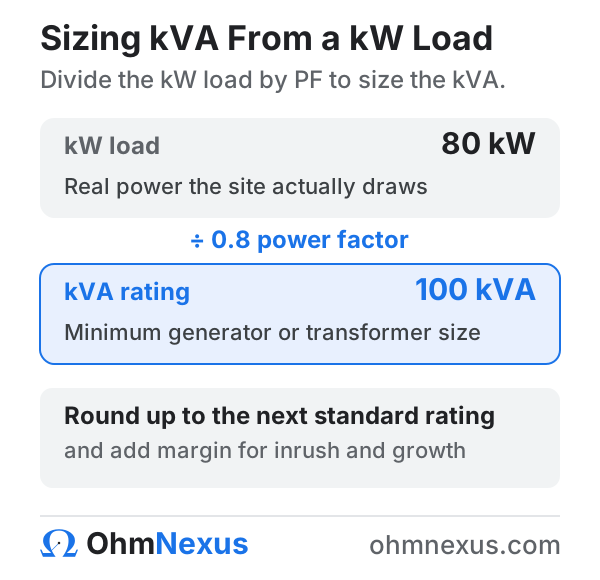
That figure is a minimum, not a final answer. Round it up to the next standard kVA rating (15, 30, 45, 75, 112.5, 150, 225, 300, 500 kVA, and so on), and add headroom for motor inrush, non-linear loads, and future growth. Standby generator sets are rated at a 0.8 power factor by convention (ISO 8528, the generator-set standard), which is why their kVA rating is 1.25 times their kW rating. The kVA you calculate also sets the current the equipment must carry; convert it with the kVA to amps calculator to size the breaker and cable.
Why the Phase Doesn't Change kW to kVA
Converting kW to kVA is the same for single-phase and three-phase systems: kVA = kW ÷ PF either way. People often look for a separate three-phase formula with a three-phase factor in it, but that factor belongs to the current conversions, not this one. The three-phase factor and the voltage are already built into the power figures, so once you have the kW there is nothing phase-specific left to do. A 50 kW three-phase load at 0.8 power factor is 62.5 kVA, the same as a 50 kW single-phase load.
Why kVA Is Always Bigger Than kW
Apparent power in kVA is never smaller than real power in kW, because the power factor is at most 1. When the power factor is 1, all the apparent power does real work and kVA equals kW. When it is less than 1, the source has to supply extra current for reactive power that does no net work, so the kVA exceeds the kW. The lower the power factor, the bigger the gap. When a nameplate doesn't state the power factor, use these typical values.
| Load Type | Typical Power Factor |
|---|---|
| Resistive (heater, incandescent lamp) | 1.0 |
| Standby generator (rated) | 0.8 |
| Induction motor (full load) | 0.85-0.9 |
| Induction motor (light load) | 0.3-0.6 |
| Modern IT / server power supply | 0.95-1.0 |
| LED lighting | 0.9-0.95 |
| Welding machine | 0.5-0.8 |
Apparent, real, and reactive power are defined in IEEE Std 1459, the IEEE standard for electric power quantities.
kW vs kVA in Brief
kW is real power, the part that does useful work; kVA is apparent power, the total the source must supply. They differ by the power factor and are equal only when it is 1. You size cables, breakers, transformers, and generators in kVA because they are limited by current, and you count energy and motor output in kW. For what apparent power means, see the amps to kVA calculator.
Common Mistakes When Converting kW to kVA
- Assuming kW equals kVA. They are equal only at a power factor of 1; an 80 kW load needs 100 kVA of equipment at a 0.8 power factor, not 80 kVA.
- Adding a three-phase factor. kVA = kW ÷ PF is the same for any phase; the three-phase factor belongs to the current conversions.
- Sizing to the exact kVA. The result is a minimum; round up to a standard rating and add margin for inrush and growth.
- Using the wrong power factor. The kVA scales inversely with it, so a guessed power factor gives a guessed size. Use the load's actual value where you can.
- Dividing by the power factor twice. If a figure is already in kVA, it does not need converting again.
Disclaimer: This calculator converts real power to apparent power at the power factor you enter, giving a minimum kVA. Equipment selection also depends on inrush, non-linear loads, ambient conditions, and margin. Always verify against manufacturer data and your local electrical code, and consult a licensed electrician or professional engineer for equipment sizing and installation. Generator and UPS ratings follow standards such as ISO 8528; confirm the assumed power factor on any nameplate.
Frequently Asked Questions
How do you convert kW to kVA?
Divide the real power in kW by the power factor: kVA = kW ÷ PF. The power factor is the ratio of real to apparent power, from 0 to 1. For example, an 80 kW load at a 0.8 power factor needs 80 ÷ 0.8 = 100 kVA. There is no voltage or phase in the formula, because both are already contained in the power figures.
What is 200 kW in kVA?
At a 0.8 power factor, 200 kW is 200 ÷ 0.8 = 250 kVA; at 0.9 it is about 222 kVA; and at a power factor of 1 it is 200 kVA. Most generators are rated at 0.8, so a 200 kW load usually calls for a 250 kVA generator. Divide the kW by the load's actual power factor to get the kVA.
What is 25 kW in kVA?
At a 0.8 power factor, 25 kW is 25 ÷ 0.8 = 31.25 kVA; at 0.9 it is about 27.8 kVA; and at a power factor of 1 it is 25 kVA. Round the result up to the next standard equipment rating when you are sizing a transformer or generator.
What size generator (in kVA) do I need for a kW load?
Divide your kW load by the generator's power factor, which is 0.8 for most sets: kVA = kW ÷ 0.8. An 80 kW load needs 100 kVA, and a 200 kW load needs 250 kVA. That figure is a minimum, so round up to the next standard kVA rating and add margin for motor starting and future load. A full sizing study also accounts for the largest motor's inrush current.
Why is kVA always bigger than kW?
Because the power factor is never more than 1, and kVA = kW ÷ PF. Dividing by a number that is 1 or less can only keep the kVA the same or make it larger. At a power factor of 1, all the power is real work and kVA equals kW; below 1, the source supplies extra current for reactive power, so the kVA exceeds the kW. A 0.8 power factor makes the kVA 25% larger than the kW.
Does kW to kVA change for three-phase?
No. kVA = kW ÷ power factor is the same for single-phase and three-phase systems. There is no separate three-phase formula and no √3 here, because the three-phase factor and the voltage are already inside the power figures. A 50 kW load is 62.5 kVA at a 0.8 power factor whether it is single-phase or three-phase.
Get early access to OhmNexus Pro
Join the list for new calculators, guides and services, plus first access to our upcoming advanced and AI-assisted design tools. No spam; unsubscribe anytime.
Need more electrical tools?
View All Calculators